The skin barrier plays a crucial role in protecting the body from external threats. It prevents moisture loss and shields against harmful elements. Understanding which ingredients support and repair the skin barrier is vital for maintaining healthy skin. This article explores key ingredients known for their skin barrier repair properties and offers guidance on how to incorporate them into your skincare routine.
Key Takeaways
- The skin barrier is essential for moisture retention and protection against environmental threats, making barrier repair ingredients crucial for healthy skin.
- Ceramides are vital lipids that enhance hydration and protect against irritants, representing a key ingredient in skin barrier repair products.
- Incorporating fatty acids into your skincare routine nourishes the skin and supports barrier function, thereby reducing inflammation.
- Hyaluronic acid acts as a hydration powerhouse, attracting moisture to promote a plump and healthy skin barrier.
- Using peptides can stimulate collagen production, aiding in skin renewal and improving overall texture as part of your barrier repair strategy.
Understanding the Skin Barrier
The skin barrier is the outermost layer of the skin. It acts as a protective shield that keeps moisture in and harmful substances out. A healthy skin barrier is essential for overall skin health. When the barrier is compromised, skin issues may arise, such as dryness, irritation, and inflammation. Common causes of skin barrier damage include environmental factors, harsh skincare products, and underlying skin conditions. Hence, supporting and repairing the skin barrier is fundamental for achieving and maintaining healthy skin.
Key Ingredients for Skin Barrier Repair
Several ingredients are known for their ability to repair and strengthen the skin barrier. Understanding their benefits can help individuals choose effective skincare products.
1. Ceramides: The Essential Lipids
Ceramides are lipids found naturally in the skin. They make up more than 50% of the skin barrier. Ceramides help to retain moisture and protect against irritants. Using products with ceramides can enhance hydration and improve skin texture.
2. Fatty Acids: Nourishing the Skin
Fatty acids, such as linoleic and oleic acids, are vital for maintaining skin health. They nourish the skin by providing moisture and supporting the skin barrier function. Products containing fatty acids can soothe inflammation and enhance overall skin appearance.
3. Cholesterol: Balancing the Barrier
Cholesterol is another crucial component of the skin barrier. It works alongside ceramides and fatty acids to maintain barrier integrity. Cholesterol helps to improve hydration and elasticity, making skin smoother and plumper.
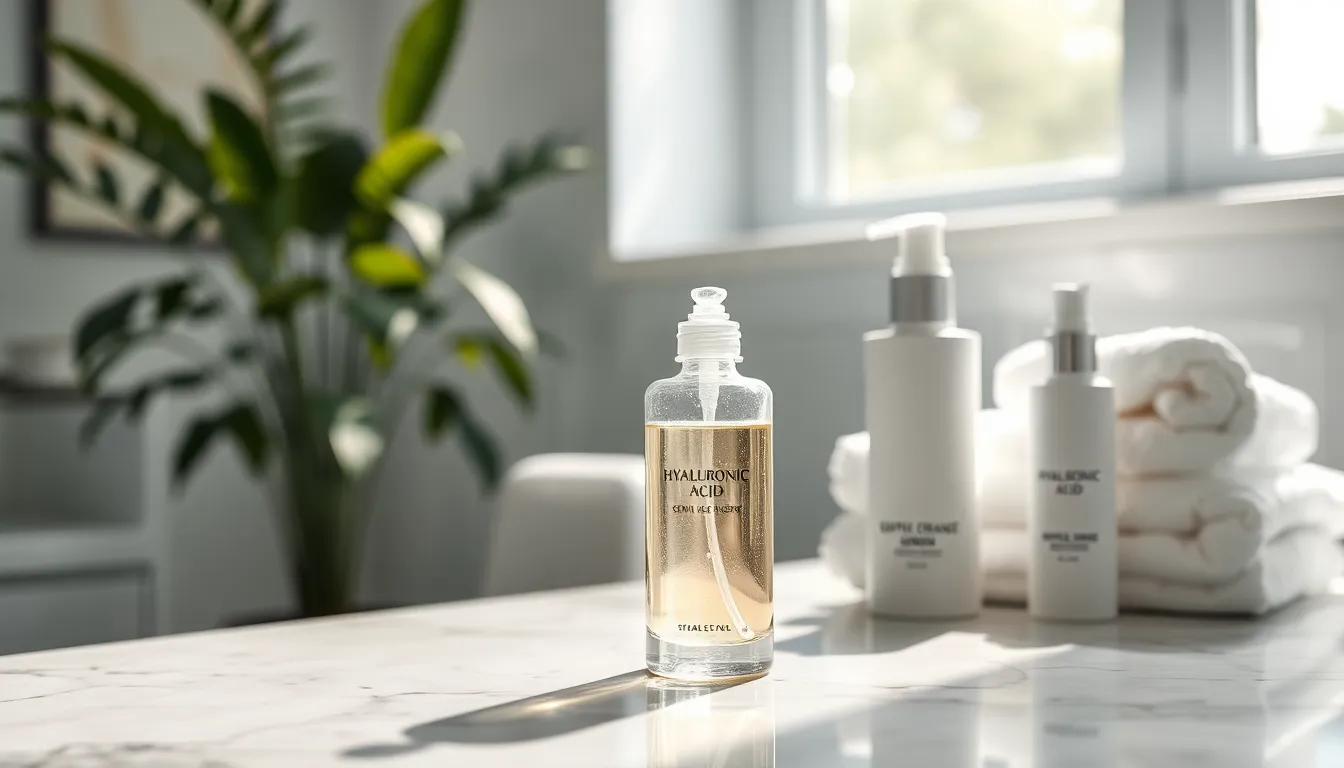
4. Hyaluronic Acid: Hydration Powerhouse
Hyaluronic acid is a powerful humectant that attracts moisture to the skin. It can hold up to 1,000 times its weight in water. When included in skincare products, hyaluronic acid helps keep the skin hydrated and plump, which is essential for barrier repair.
5. Peptides: Stimulating Repair and Renewal
Peptides are small chains of amino acids that play a key role in skin repair. They can stimulate collagen production and help to regenerate skin cells. Using products with peptides can improve skin texture and promote a more youthful appearance.
6. Glycerin: Humectant Hero
Glycerin is a natural humectant that draws moisture from the environment into the skin. It helps to keep the skin hydrated and supports the skin barrier. Glycerin is gentle and can be used on all skin types without causing irritation.
How to Incorporate These Ingredients
Incorporating skin barrier repair ingredients into a skincare routine is straightforward. Here are steps to consider:
- Choose Products Wisely: Look for moisturizers, serums, and treatments that list ceramides, fatty acids, and hyaluronic acid among the first few ingredients.
- Layering: Begin with a hydration serum containing hyaluronic acid. Follow with a moisturizer that includes ceramides and cholesterol for optimal barrier support.
- Patch Test: Always perform a patch test when trying new products. This step ensures that they do not cause irritation or allergic reactions.
- Consistency is Key: Use rejuvenating products regularly for the best results. Consistent application helps to repair and maintain the skin barrier over time.