Starting a skincare routine can seem overwhelming. Beginners often face a lot of options and advice. This guide simplifies the process. It outlines the essentials of an effective skincare routine without confusion. With clear steps, anyone can create a routine that suits their skin. Understanding skin types and product functions is crucial for success.
Key Takeaways
- Understanding your skin type—oily, dry, combination, or sensitive—is essential for a successful beginner skincare routine.
- Begin your skincare regimen with cleansing twice daily to remove dirt and oil, using a mild cleanser suited to your skin type.
- Moisturizing after cleansing helps lock in hydration; choose a lightweight formula for oily skin and a heavier cream for dry skin.
- Daily sun protection is crucial for all skin types; apply a broad-spectrum sunscreen with at least SPF 30 every morning, even when it’s cloudy.
- Avoid common skincare mistakes by starting with a basic routine and gradually adding products to prevent skin irritation.
Understanding Your Skin Type
Understanding skin types is the first step in establishing an effective skincare routine. There are four primary skin types: oily, dry, combination, and sensitive.
Oily Skin: This type produces excess oil, leading to shine, large pores, and potential acne. Look for products labeled as non-comedogenic to prevent clogging pores.
Dry Skin: Dry skin lacks moisture and may feel tight or flaky. Creamy moisturizers can help hydrate this skin type effectively.
Combination Skin: This skin type has both oily and dry areas. The T-zone (forehead, nose, and chin) may be oily, while the cheeks may be dry. A balanced approach is best here.
Sensitive Skin: Sensitive skin can react to products easily. It often feels itchy or red. Gentle and fragrance-free products work best.
Essential Steps in a Skincare Routine
Creating an effective skincare routine involves a few essential steps. These steps help maintain skin health and appearance.
Cleansing Your Skin
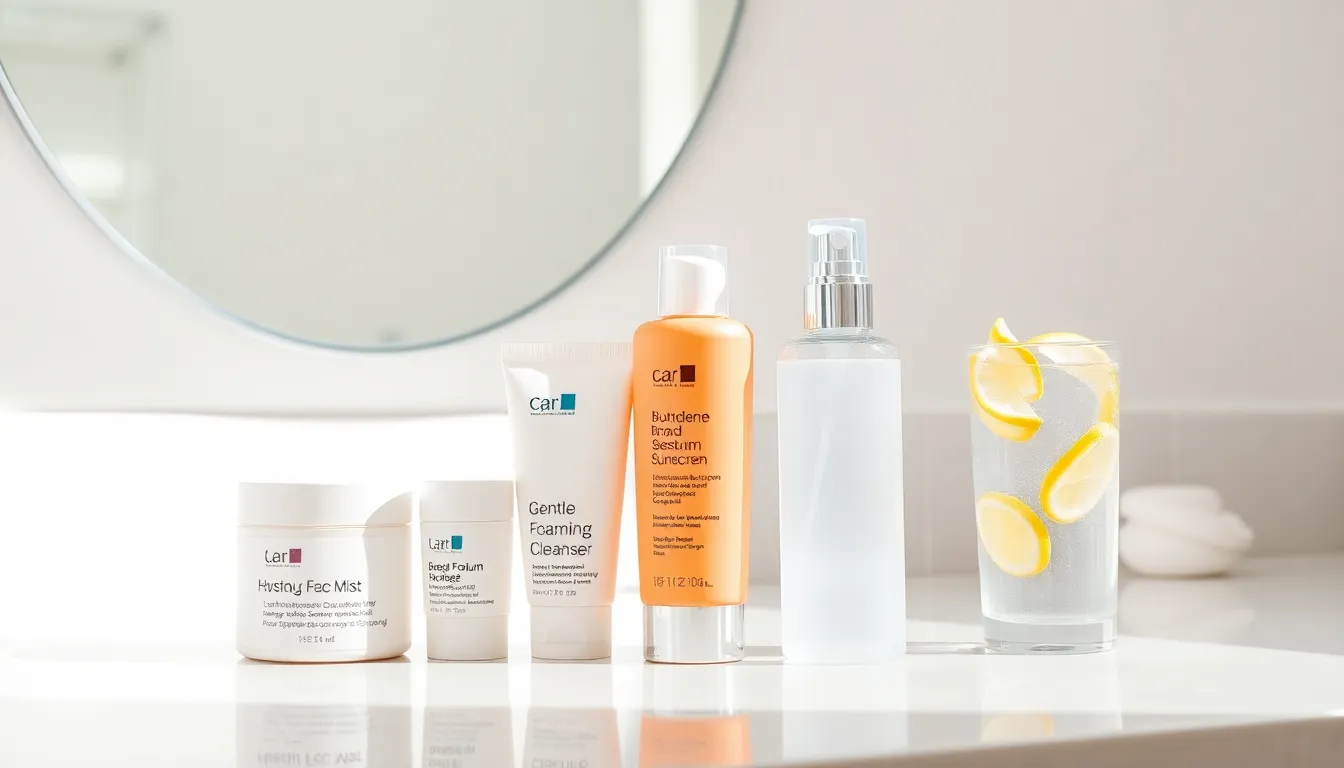
Cleansing is the foundation of any skincare routine. It removes dirt, oil, and makeup. For best results, choose a mild cleanser suitable for your skin type. Use it twice daily, once in the morning and once at night. This keeps the skin clean and fresh.
Moisturizing Basics
After cleansing, the next step is moisturizing. A good moisturizer hydrates the skin and locks in moisture. Choose a lightweight formula for oily skin. For dry skin, opt for a heavier cream. This step prevents skin from feeling tight or peeling.
Sun Protection Importance
Sun protection is vital for all skin types. UV rays can cause skin damage, premature aging, and increase the risk of skin cancer. Daily sunscreen application is crucial, even on cloudy days. Choose a broad-spectrum sunscreen with an SPF of at least 30. Apply it every morning after moisturizing. Reinforce protection by reapplying every two hours during sun exposure.
Choosing the Right Products
Selecting the right skincare products can enhance a routine. Look for products tailored to specific skin types. Read labels carefully. Natural ingredients often benefit skin without causing irritation. Ensure the product does not contain harsh chemicals. Patch testing new products can help avoid negative reactions.
Common Skincare Mistakes to Avoid
Beginners may fall into common skincare traps. Avoid using too many products at once, as this can irritate the skin. Stick to a basic routine initially. Gradually add new products as skin adapts. Also, do not skip sun protection, even during winter. Finally, be patient. Results take time. Consistency leads to healthier skin.