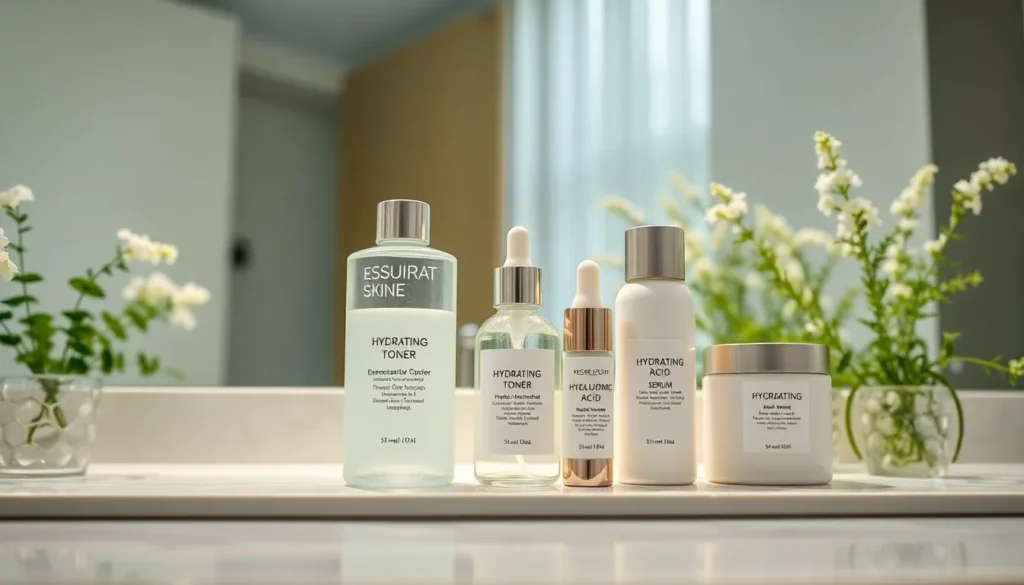
A hydrating skincare routine is essential for healthy skin. Proper hydration helps maintain the skin’s barrier and keeps it looking fresh. This guide will outline how to form a routine that suits your skin type, highlights the best ingredients for hydration, and provides step-by-step directions for both morning and evening.
Key Takeaways
- Understanding your skin type is crucial for developing an effective hydrating skincare routine tailored to your unique needs.
- Key ingredients like Hyaluronic Acid, Glycerin, and Ceramides are essential for maximizing skin hydration and maintaining a healthy barrier.
- For morning routines, prioritize lightweight products, while evening routines should focus on thicker creams that nourish your skin overnight.
- Incorporating a humidifier and drinking plenty of water can significantly enhance your skin’s hydration levels.
- Avoid common mistakes like skipping SPF and over-cleansing to ensure your hydrating skincare routine is effective.
Understanding Your Skin Type
Each person’s skin has unique needs. Understanding skin types is the first step in creating a hydrating skincare routine. Skin types typically fall into four categories: normal, oily, dry, and combination.
- Normal skin has a balanced moisture level and is not too oily or too dry.
- Oily skin produces excess sebum, leading to a shiny appearance.
- Dry skin lacks moisture, resulting in flakiness and tightness.
- Combination skin has areas that are oily and others that are dry.
Identifying the skin type allows for selecting products best suited for hydration needs.
Key Ingredients for Hydration
To effectively hydrate skin, look for specific ingredients in your products. Each ingredient plays a unique role:
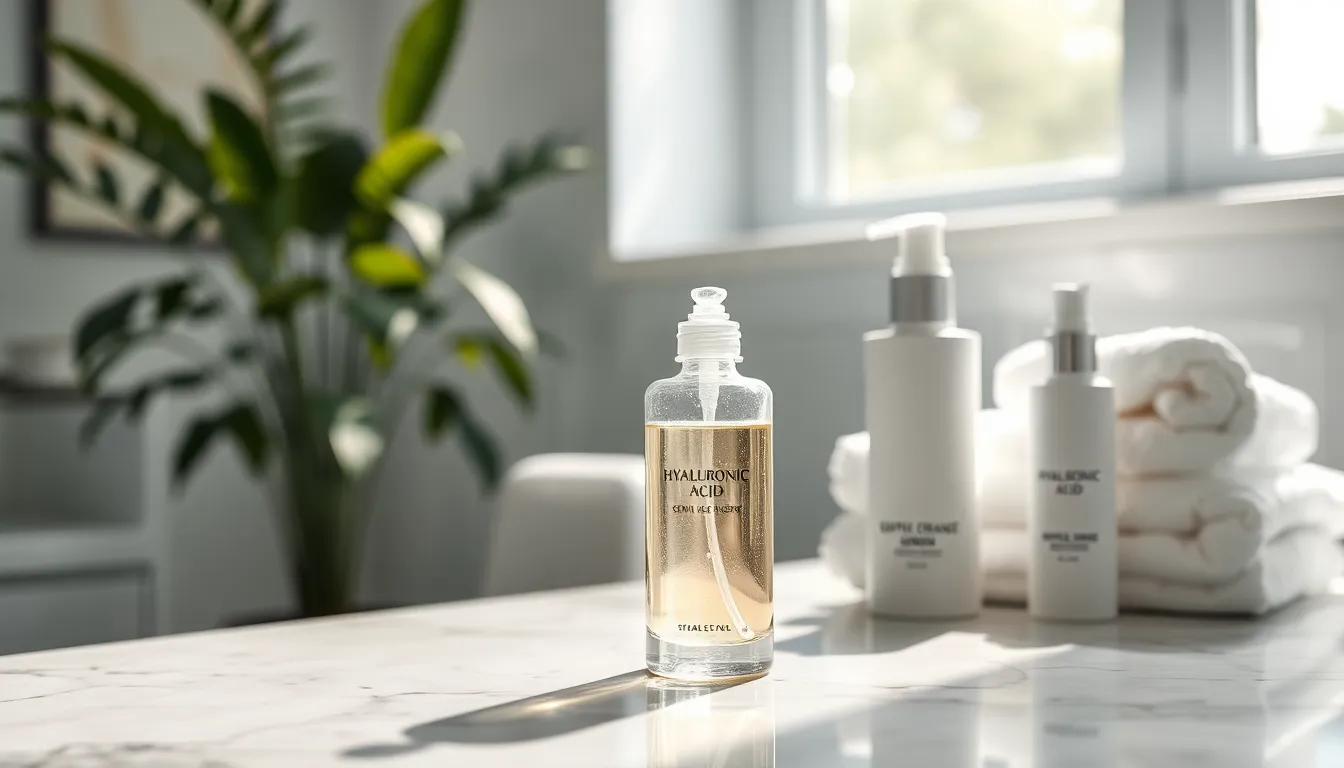
- Hyaluronic Acid helps to draw moisture into the skin, holding up to 1,000 times its weight in water.
- Glycerin attracts moisture and helps the skin retain it.
- Ceramides strengthen the skin barrier and prevent water loss.
- Aloe Vera soothes and hydrates while providing anti-inflammatory benefits.
- Squalane mimics natural oils, offering deep moisture without greasiness.
These ingredients can make a significant difference in hydration levels.
Step-By-Step Hydrating Routine
Following a structured routine helps maximize hydration.
Morning vs. Evening Hydration
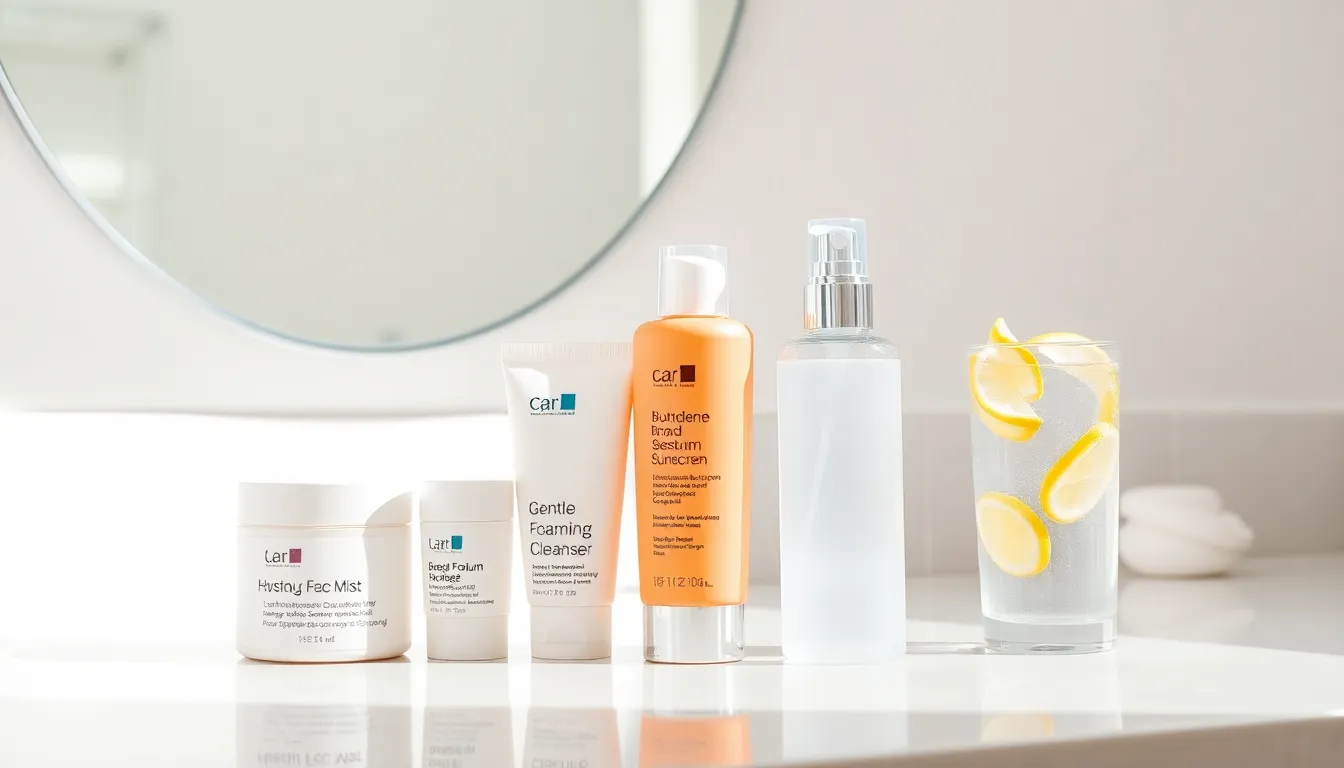
In the morning, use lightweight, fast-absorbing products to prepare your skin for the day. Start with a gentle cleanser, followed by a hydrating toner, serum, and lightweight moisturizer. Consider adding sunscreen at this stage to protect against UV damage.
For evening routines, use thicker creams or sleeping masks that nourish the skin while you sleep. Begin with a cleanser to remove impurities, then apply a toner, followed by a rich serum, and finish with a moisturizing cream or oil.
Additional Tips for Effective Hydration
To enhance hydration, consider the following tips:
- Drink plenty of water. Staying hydrated internally reflects in your skin.
- Use a humidifier. It adds moisture to the air, especially in dry climates.
- Avoid hot showers. Hot water can strip skin of its natural oils, leading to dryness.
- Exfoliate regularly. Gently exfoliating helps remove dead skin cells, allowing hydrating products to penetrate better.
Common Mistakes to Avoid
Certain pitfalls can hinder the effectiveness of a hydrating routine:
- Skipping SPF. Sun protection is crucial even when using hydrating products.
- Over-cleansing. Using harsh cleansers can dry out and irritate the skin.
- Neglecting the neck and décolletage. These areas need hydration, too.
- Using too many products. A simple, consistent routine often yields the best results.