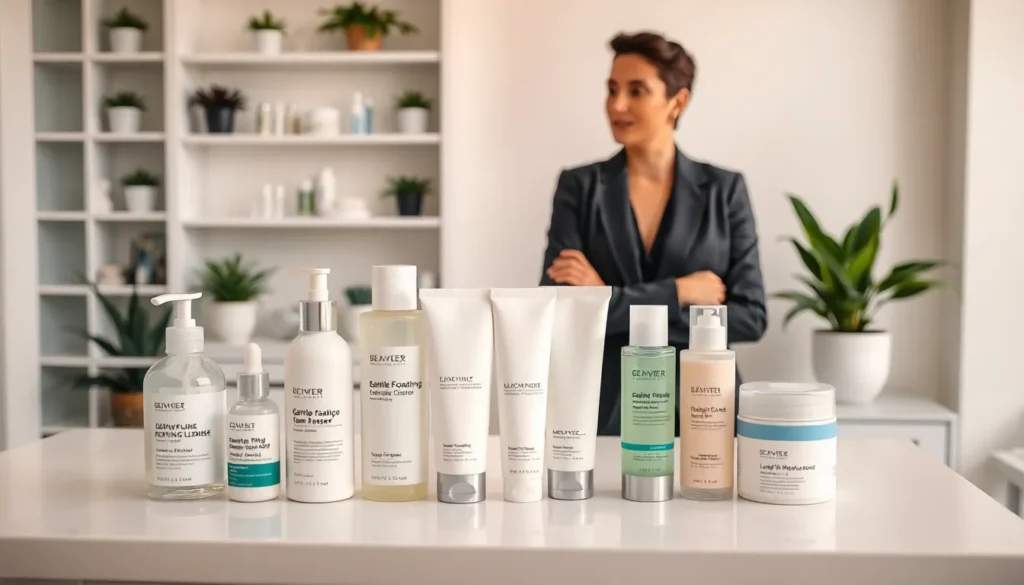
Oily skin can pose unique challenges. It often leads to shiny appearances and increased acne risks. Understanding how to manage oily skin is essential. This guide will explore effective skincare routines tailored for oily skin types. Readers will discover practical tips and product recommendations to maintain healthy, balanced skin.
Key Takeaways
- An effective skincare routine for oily skin includes cleansing, toning, and moisturizing to manage oil production and prevent breakouts.
- Use a gentle gel or foaming cleanser with salicylic acid to effectively remove excess oil and unclog pores.
- Incorporating a toner with ingredients like witch hazel helps balance skin’s pH and control oil levels.
- Choose a lightweight, oil-free moisturizer to hydrate oily skin without contributing to excess shine.
- Exfoliate 1 to 3 times a week using chemical exfoliants like AHAs and BHAs to prevent clogged pores.
Understanding Oily Skin
Oily skin occurs when the skin produces excess sebum. Sebum is a natural oil that helps protect and moisturize the skin. But, too much sebum can lead to clogged pores and breakouts. Oily skin usually appears shiny, especially in the T-zone, which includes the forehead, nose, and chin.
Common Causes of Oily Skin
Several factors contribute to oily skin. These include hormonal changes, genetics, and environmental conditions. Hormonal fluctuations, such as those during puberty or menstruation, can increase oil production. Some people inherit oily skin traits from their parents. Also, hot and humid weather can exacerbate oiliness, leading to more shine and breakouts.
Essential Steps in a Skincare Routine
An effective skincare routine for oily skin includes three main steps: cleansing, toning, and moisturizing.
Cleansing for Oily Skin
Cleansing is the first step. It removes excess oil, dirt, and makeup from the skin. Use a gentle gel or foaming cleanser. Cleansers with salicylic acid are beneficial. They help unclog pores and reduce breakouts.
Toning: The Key to Balancing Oil Production
Toning follows cleansing. A good toner helps balance the skin’s pH. Look for toners with witch hazel or tea tree oil. These ingredients help minimize pores and control oil.
Moisturizing: Why It’s Still Necessary
Moisturizing is often overlooked in oily skin care. Even oily skin needs hydration. Choose a lightweight, oil-free moisturizer. Gel-based moisturizers work well and provide necessary moisture without adding excess oil.
Exfoliation Techniques for Oily Skin
Exfoliation helps remove dead skin cells. This process can prevent clogged pores. For oily skin, exfoliate 1 to 3 times a week. Chemical exfoliants, like AHAs and BHAs, are great options. They help break down excess oil and clear pores without harsh scrubbing. Physical exfoliants can also be used, but choose gentle options to avoid irritating the skin.
Choosing the Right Products
Selecting the right products is crucial for oily skin care. Look for non-comedogenic products, meaning they won’t clog pores. Oil-free skincare might sound appealing, but some oils are beneficial. For example, jojoba oil mimics skin’s natural oils and can help balance sebum production. Always check ingredient labels for unwanted irritants.
Professional Treatments for Oily Skin
For persistent oily skin, professional treatments can help. Dermatologists may recommend chemical peels to reduce oil and improve skin texture. Microdermabrasion is another option that exfoliates and resurfaces the skin. Regular facials targeted at oily skin types can offer additional benefits. Always consult a professional before starting any treatment.