
Acne affects many people at different ages. It can stem from hormones, diet, or genetics. A proper skin routine for acne can help manage breakouts and improve skin health. This guide will explain effective steps and important product choices for those dealing with acne.
Key Takeaways
- A consistent skincare routine is essential for managing acne and preventing breakouts.
- Cleansing twice daily with a gentle cleanser removes impurities and maintains healthy skin.
- Incorporate targeted treatments with benzoyl peroxide or salicylic acid to effectively combat acne.
- Choose non-comedogenic moisturizers and sunscreen to avoid clogging pores while keeping skin hydrated.
- Diet, hydration, and stress management significantly influence acne, highlighting the importance of a holistic approach.
Understanding Acne Causes
Acne develops when hair follicles become clogged with oil and dead skin cells. Hormones play a significant role in acne, especially during puberty and menstrual cycles. Bacteria can also contribute to acne by causing inflammation. Dietary choices, stress, and certain medications may worsen acne too. Understanding the causes helps in choosing the right treatment.
The Importance Of A Consistent Skincare Routine
A consistent skincare routine is crucial for managing acne. It helps to remove excess oil and dirt while promoting healing. Skipping steps can lead to clogged pores and new breakouts. Following a routine daily builds a protective barrier and helps maintain healthy skin.
Key Steps In An Effective Acne Routine
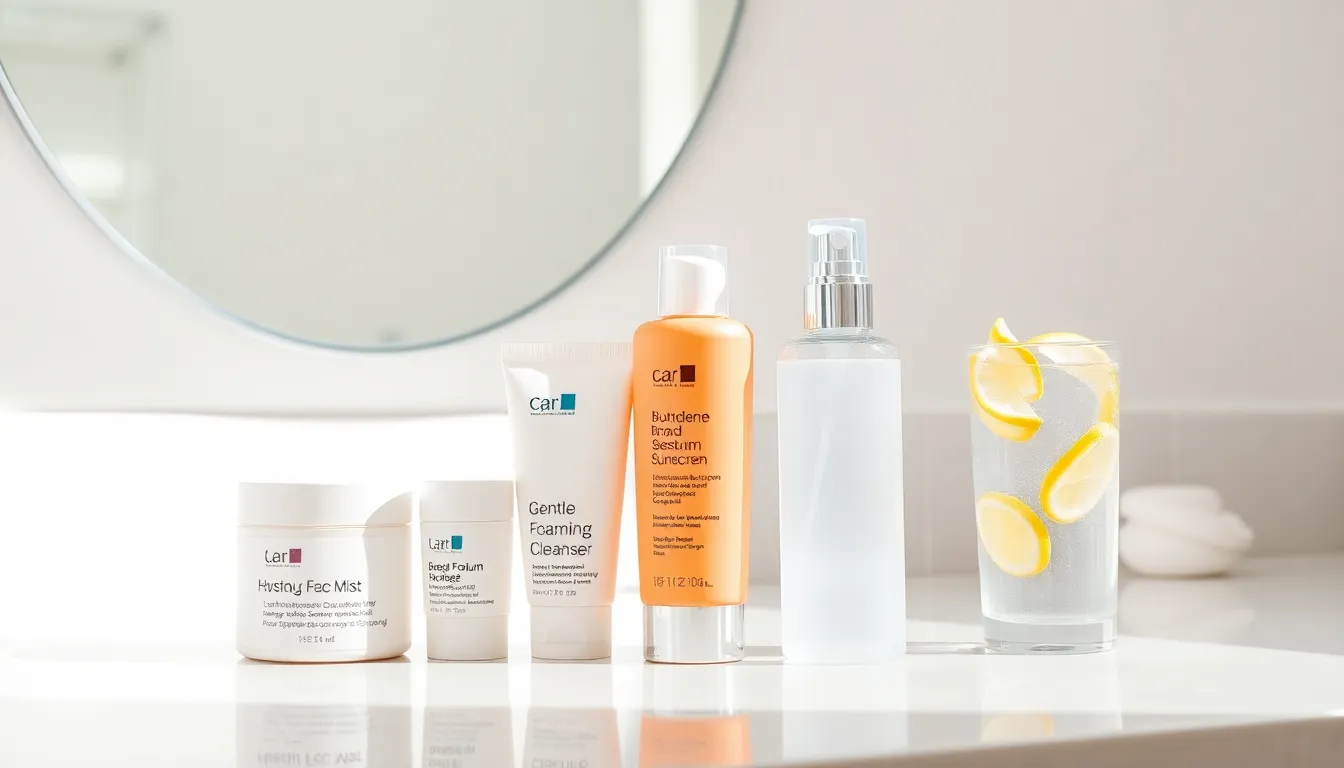
- Cleansing: Use a gentle cleanser to remove impurities without stripping the skin. Cleanse twice daily, especially after sweating.
- Toning: Apply a toner to balance skin pH and remove leftover impurities. Toners with witch hazel or tea tree oil can help reduce oil.
- Treatment: Use targeted treatments containing benzoyl peroxide or salicylic acid to combat acne effectively.
- Moisturizing: Moisturizers hydrate the skin without clogging pores. Look for non-comedogenic products.
- Sunscreen: Shielding the skin from UV damage is vital. Choose a lightweight, oil-free sunscreen.
Choosing The Right Products For Acne-Prone Skin
Select products labeled non-comedogenic to avoid pore clogging. Look for ingredients like salicylic acid and glycolic acid, which can exfoliate the skin and fight acne. Avoid products with heavy oils. Always patch test new products to observe how your skin reacts.
Lifestyle Factors That Affect Acne
Diet impacts skin health. Consuming high-glycemic foods and dairy may worsen acne. Staying hydrated is crucial, as water flushes out toxins. Managing stress through activities like exercise and mindfulness can also reduce breakouts. Sleep plays a role too: aim for 7-9 hours per night.
When To Seek Professional Help
If over-the-counter treatments do not work after a few weeks, consult a dermatologist. Medical professionals can offer stronger prescriptions and treatments. They can also provide insights into underlying conditions that may cause acne. Early intervention can prevent scarring and long-lasting skin damage.