An anti-aging skincare routine helps maintain youthful skin. It focuses on preventing and reducing signs of skin aging. Many people seek an effective routine to keep their skin looking vibrant and healthy. This article explores essential aspects of an anti-aging skincare routine, making it easy to follow and understand.
Key Takeaways
- An effective anti-aging skincare routine focuses on preventing and reducing wrinkles and fine lines for youthful skin.
- Daily sun protection with a broad-spectrum sunscreen of at least SPF 30 is crucial to combat skin aging caused by UV exposure.
- Incorporate retinoids or retinol in your nighttime routine to enhance cell turnover and improve skin texture.
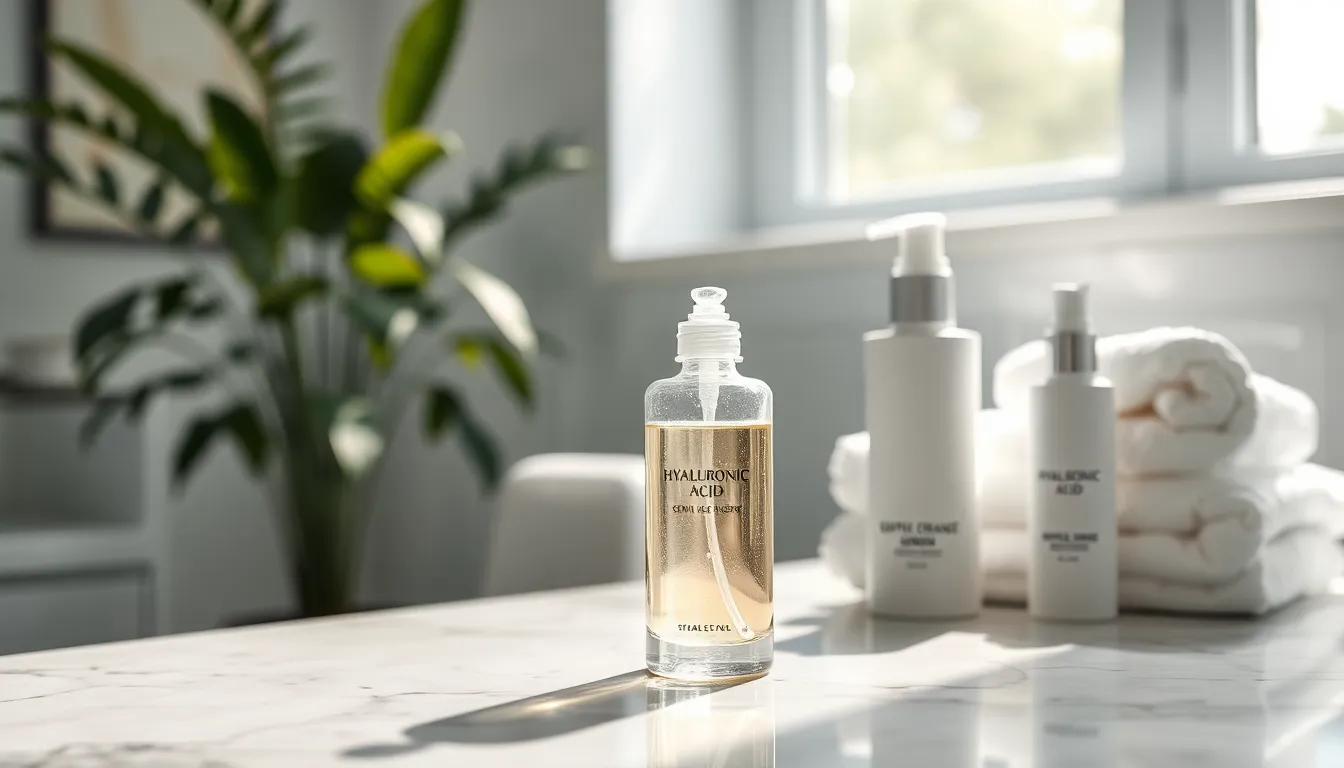
- Moisturizers with hyaluronic acid are essential for maintaining hydration and plumpness, contributing to a more youthful appearance.
- Consulting with a skincare professional can help create a personalized anti-aging routine tailored to your specific skin type.
Understanding Skin Aging
Aging affects everyone and shows in skin changes. These changes may lead to wrinkles, fine lines, and uneven skin tone.
Common Signs of Aging
The most common signs of aging include:
- Wrinkles and Fine Lines: These develop as skin loses elasticity.
- Dryness: Aging skin often becomes drier due to decreased oil production.
- Age Spots: Sun exposure can lead to dark patches on the skin.
- Loss of Firmness: Skin loses its tightness over time, leading to sagging.
Factors Contributing to Skin Aging
Several factors can speed up skin aging:
- Sun Exposure: UV rays damage collagen and elastin, essential for skin firmness.
- Pollution: Environmental pollutants can harm skin and accelerate aging.
- Lifestyle Choices: Smoking and poor diet can also contribute to premature aging.
Essential Components of an Anti-Aging Routine
A comprehensive anti-aging skincare routine includes key components that work together to improve skin health.
Cleansing and Exfoliating
Cleansing removes dirt and oil. Exfoliating helps shed dead skin cells. Both steps promote healthy skin renewal.
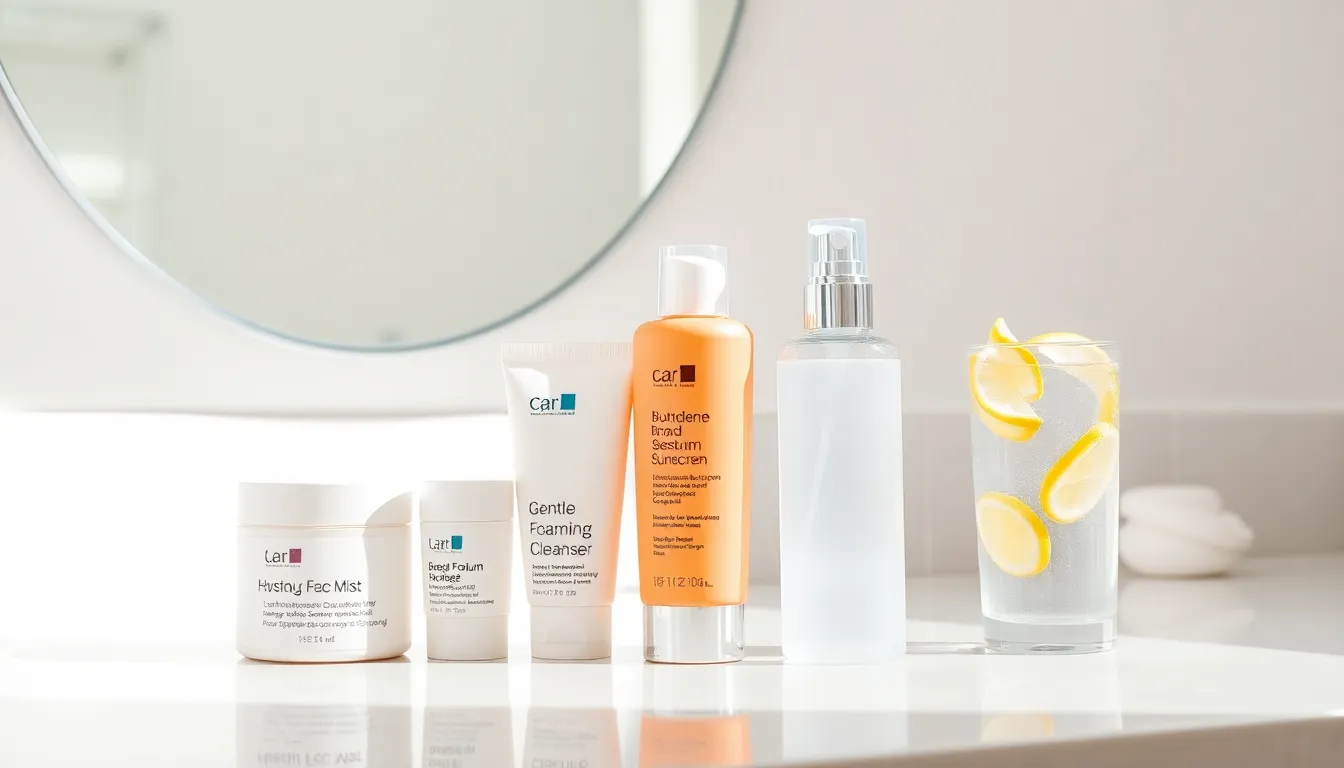
- Use a Gentle Cleanser: Look for a sulfate-free cleanser that fits your skin type.
- Exfoliate Regularly: Use exfoliants containing alpha-hydroxy acids (AHAs) or beta-hydroxy acids (BHAs) to promote cell turnover.
Moisturizing and Hydration
Moisturizers keep skin hydrated and plump. Hydrated skin looks more youthful.
- Choose a Suitable Moisturizer: Look for products containing hyaluronic acid or glycerin.
- Use a Serum: A hydrating serum can boost moisture levels effectively.
Sun Protection
Sun protection is crucial in an anti-aging routine. UV rays cause significant skin damage.
- Apply Sunscreen Daily: Choose a broad-spectrum sunscreen with at least SPF 30.
- Reapply Regularly: Reapply sunscreen every two hours when outdoors.
Active Ingredients to Look For
Certain active ingredients can significantly improve skin health and reduce signs of aging.
Retinoids and Retinol
Retinoids and retinol are derivatives of vitamin A. They promote cell turnover and improve skin texture.
- Introduce Slowly: Start with a low concentration to avoid irritation.
- Use at Night: Retinoids can increase skin sensitivity, so nighttime use is best.
Antioxidants
Antioxidants protect the skin from damage. Vitamin C and E are powerful options.
- Vitamin C Serums: These help brighten skin and reduce age spots.
- Apply Consistently: Daily application improves overall skin tone and texture.
Peptides and Hyaluronic Acid
Peptides and hyaluronic acid are essential for maintaining youthful skin.
- Peptides: These small proteins help support collagen production. They improve skin elasticity and reduce wrinkles.
- Hyaluronic Acid: This ingredient draws moisture to the skin. It helps maintain hydration throughout the day.
Creating a Personalized Routine
Each person has unique skin needs. A personalized routine caters to these differences.
Consulting with a Skincare Professional
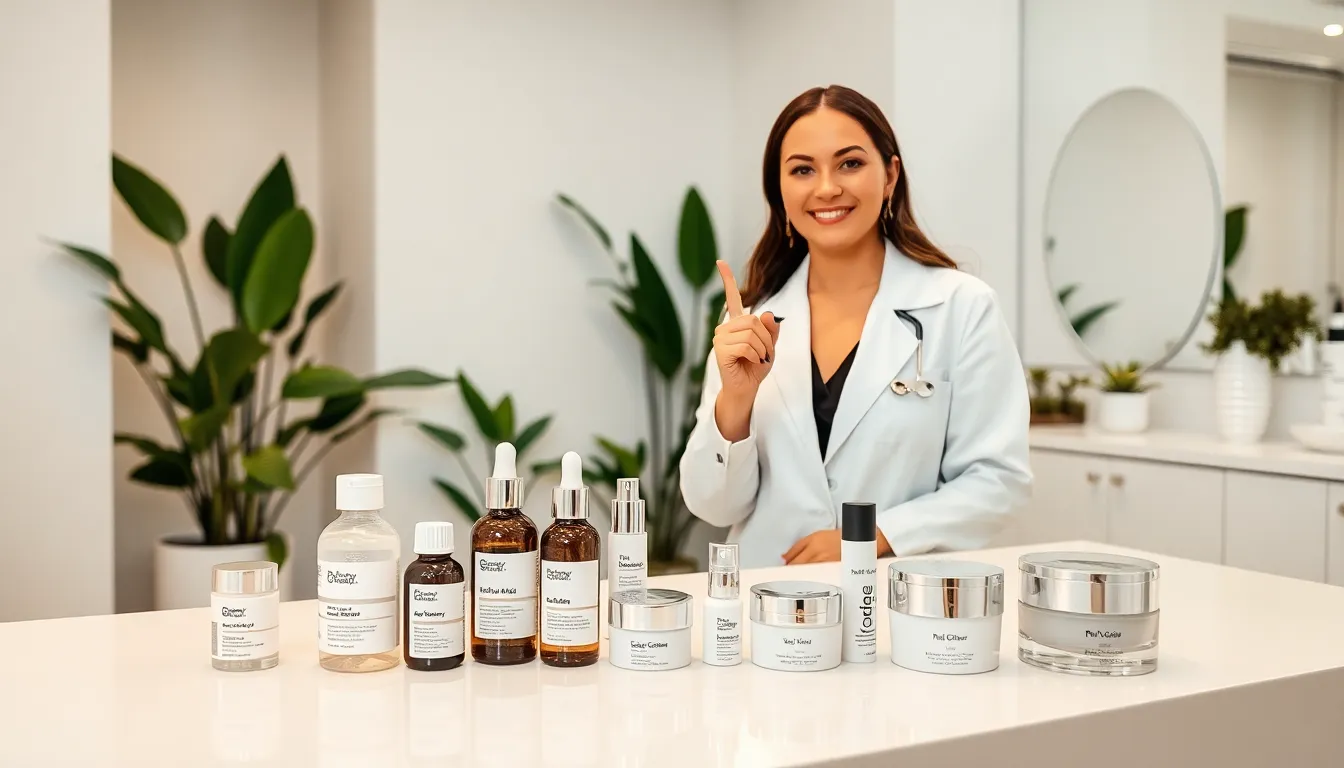
Consulting a skincare professional helps tailor a routine. They can recommend products based on skin type and concerns.
Adjusting Your Routine for Different Skin Types
Different skin types require specific products:
- Oily Skin: Lightweight, oil-free products work best.
- Dry Skin: Rich creams and hydrating serums are ideal.
- Sensitive Skin: Gentle, fragrance-free products help minimize irritation.