
Male adult acne affects many men. It is different from teenage acne in several ways. Adult acne can occur on the face, back, and shoulders. Understanding its causes and treatments is crucial for achieving clear skin. This article explains the causes of male adult acne, effective treatments, and prevention strategies.
Key Takeaways
- Male adult acne can arise due to hormonal changes, diet, stress, and unsuitable skincare products.
- Establishing a consistent skincare routine with gentle cleansers and treatments containing salicylic acid or benzoyl peroxide is key to managing breakouts.
- Maintaining a balanced diet rich in fruits and vegetables can significantly improve skin health and reduce acne flare-ups.
- Preventing future breakouts involves daily use of sunscreen and regular monitoring of personal skincare triggers.
- If over-the-counter treatments fail, consulting a dermatologist may be necessary for professional intervention and more effective solutions.
Key Takeaways
- Male adult acne can arise from lifestyle factors, including poor hygiene and the use of heavy grooming products.
- A balanced diet rich in fruits and vegetables can help mitigate acne flare-ups caused by sugar and fat intake.
- Managing stress through techniques like exercise and meditation can reduce hormone-induced oil production, helping to prevent male adult acne.
- Over-the-counter treatments containing benzoyl peroxide or salicylic acid can effectively reduce acne symptoms when used consistently.
- Establishing a daily skincare routine that includes cleansing and non-comedogenic moisturizers is vital for preventing male adult acne.
Key Takeaways
- Male adult acne is a common issue that can impact self-esteem, particularly in men aged 30 to 40.
- Hormonal fluctuations, especially increased testosterone, significantly contribute to adult acne by boosting oil production.
- Adopting a consistent skincare routine with benzoyl peroxide and salicylic acid can effectively reduce acne and inflammation.
- Dietary improvements, such as reducing dairy and sugar while increasing omega-3 fatty acids, can promote clearer skin.
- Managing stress through methods like yoga and meditation plays a crucial role in preventing exacerbation of male adult acne.
Understanding Male Adult Acne
Adult acne in men often surprises them. It can occur even if they had clear skin in their teenage years. Hormones play a significant role in adult acne. Changes in testosterone levels can lead to increased oil production. Also, men may experience acne due to stress, diet, or specific skincare products.
Common Causes of Adult Acne in Men
- Hormonal Changes: Fluctuations in hormones can trigger acne. This is common during times of high stress or after intense workouts.
- Diet: Foods high in sugar and dairy may worsen acne. A diet rich in fruits, vegetables, and whole grains can help.
- Skincare Products: Some products can clog pores and cause breakouts. It is essential to choose non-comedogenic products.
- Stress: High stress can increase oil production in the skin. This usually results in more breakouts.
Effective Treatment Options
Men dealing with adult acne can benefit from several treatment options.
Skincare Routine for Adult Acne
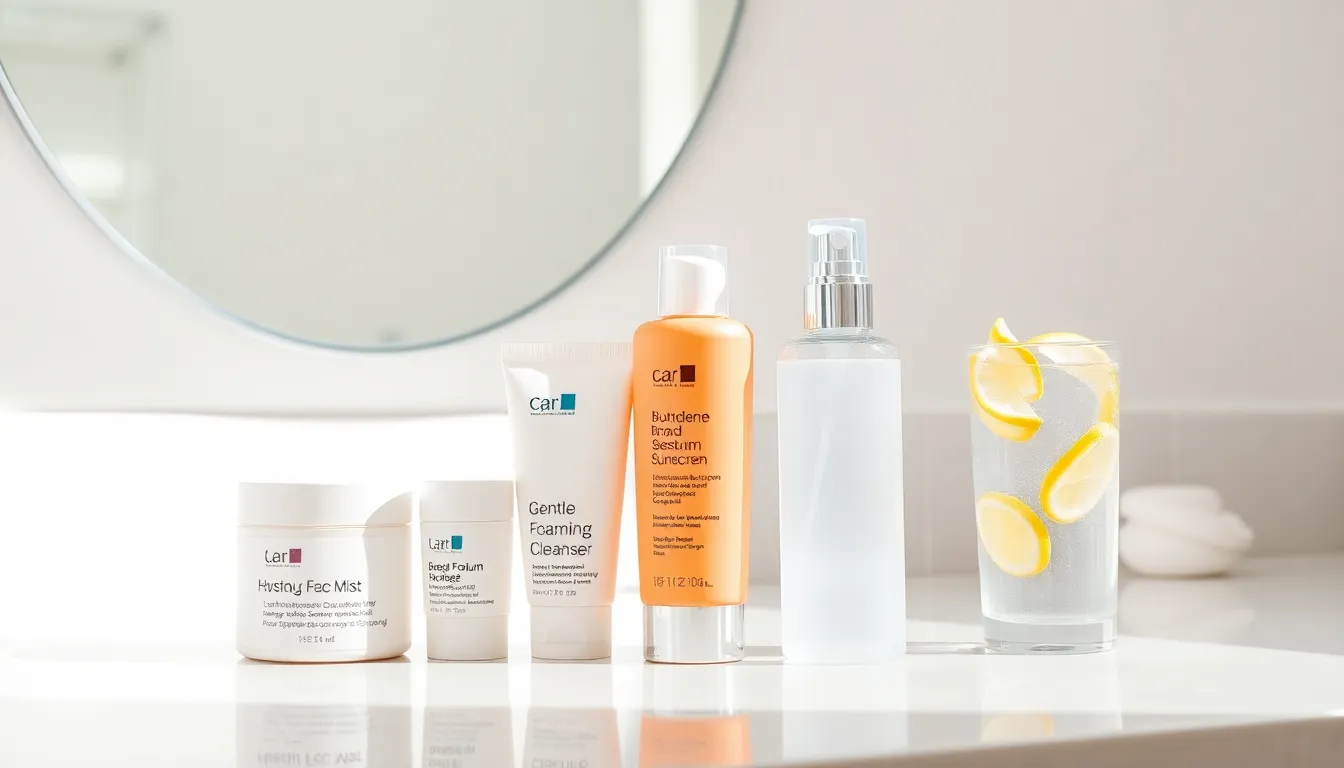
A good skincare routine is vital to control acne. Washing the face twice daily with a gentle cleanser can help remove dirt and excess oil. Exfoliating once or twice a week can also clear dead skin cells.
Using products with salicylic acid or benzoyl peroxide can effectively target acne. These ingredients help unclog pores and reduce inflammation. Moisturizing daily is essential, even for oily skin, to maintain hydration without clogging pores.
Lifestyle Changes to Consider
Incorporating lifestyle changes can improve skin health. Staying hydrated by drinking plenty of water helps the skin. Regular exercise can reduce stress, which may help minimize breakouts. Avoiding touching the face can also decrease the risk of transferring dirt and oils.
Preventing Future Breakouts
To prevent future breakouts, men should stick to their skincare routines. Using sunscreen daily can protect the skin from UV damage, which can worsen acne. Avoiding excessive sun exposure and tanning beds is important.
Eating a balanced diet and managing stress can also make a significant difference. Keeping track of triggers can help in identifying what may lead to breakouts. Regularly changing pillowcases and cleaning phones can reduce bacteria exposure that contributes to acne.
When to Seek Professional Help
If acne does not improve with over-the-counter treatments, it may be time to consult a dermatologist. They can prescribe stronger medications or suggest treatments like chemical peels or laser therapy. Persistent or severe acne may lead to scarring, making it essential to address the issue sooner rather than later.