
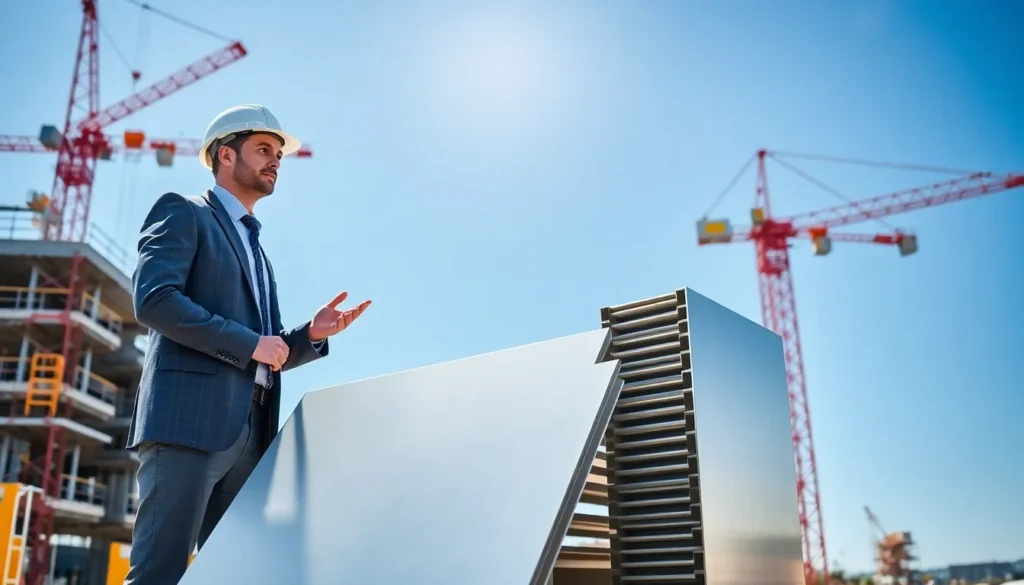
Stress skin panels are essential components in modern building design. They offer strength, durability, and insulation. These panels help reduce construction time and costs. Understanding stress skin panels is important for builders and architects. This article explores what they are, their benefits, applications, material options, installation, maintenance, and future trends.
Key Takeaways
- Stress skin panels combine strength and lightweight design, making them ideal for modern building construction.
- These panels significantly reduce labor costs and construction time while enhancing energy efficiency through excellent insulation.
- Common applications of stress skin panels include commercial spaces, residential structures, and modular buildings.
- Selecting the right materials for the outer skins and core of stress skin panels is essential for maximizing their performance and durability.
- Proper installation and minimal maintenance ensure the longevity of stress skin panels, with routine inspections recommended to detect any potential issues.
Key Takeaways
- Stress skin panels are integral to modern construction, combining structural strength with insulation in a single unit.
- The prefabricated nature of stress skin panels reduces construction time and enhances on-site installation efficiency.
- They are versatile and commonly used in commercial, industrial, and residential buildings for walls and roofs.
- When designing stress skin panels, it’s crucial to consider load-bearing capacity, environment, and aesthetic options.
- Regular maintenance and inspections of stress skin panels are key to ensuring their longevity and performance.
What Are Stress Skin Panels?
Stress skin panels consist of two outer skins and an inner core. This design provides structural support while minimizing weight. The outer layers often include materials like metal or plywood. The core can use lightweight materials such as foam or honeycomb structures. Together, these elements create a strong, rigid panel that withstands various stresses, including wind and snow loads.
Benefits of Using Stress Skin Panels
Stress skin panels offer several key advantages. First, they are lightweight, making them easy to handle and install. This leads to reduced labor costs and quicker project timelines. Second, they provide excellent insulation, enhancing energy efficiency in buildings. The panels also resist moisture, pests, and rot, ensuring longevity. Also, their smooth surface allows for easy finishing and aesthetic customization.
Applications of Stress Skin Panels
These panels are popular in various applications. They are commonly used in commercial buildings such as warehouses and retail spaces. They also find use in residential construction, particularly in modern home designs. Stress skin panels are ideal for modular and prefabricated structures. Besides, their lightweight nature makes them suitable for renovations and expansions.
Material Options for Stress Skin Panels
Several material options exist for constructing stress skin panels. Common choices for outer skins include steel, aluminum, and plywood. Each material has unique characteristics and benefits. For the core, manufacturers often use materials like expanded polystyrene (EPS), polyurethane foam, or structural insulated panels (SIPs). The choice of materials affects the panel’s strength, insulation properties, and cost.
Installation and Maintenance Considerations
Proper installation is crucial for the performance of stress skin panels. Builders should follow manufacturer guidelines closely. Panels must be securely fastened to the framing to ensure stability. After installation, routine maintenance is minimal but important. Regular inspections for signs of damage or wear can prolong the lifespan of the panels.
Future Trends in Stress Skin Panel Technology
Future advancements in stress skin panel technology are likely. Innovations may focus on improving energy efficiency. New materials could enhance insulation and reduce environmental impact. Advances in manufacturing techniques may speed up production and lower costs. Also, smart technology might integrate into panels, providing real-time data on structural performance.