Cystic acne is a severe form of acne that can affect anyone. It appears as large, painful bumps under the skin. Understanding how to treat cystic acne is vital for clear skin. This article outlines its causes, effective treatments, and lifestyle changes that can help manage this condition.
Key Takeaways
- Cystic acne is a painful condition that requires understanding for effective treatment.
- Topical medications with benzoyl peroxide or salicylic acid can help reduce inflammation and unclog pores.
- Oral antibiotics and hormonal treatments may be necessary for more severe cystic acne cases.
- Lifestyle changes, such as reducing sugar and dairy intake, can significantly impact cystic acne management.
- A consistent skin care routine using gentle, non-comedogenic products is essential for clear skin.
Understanding Cystic Acne
Cystic acne is a serious type of acne characterized by painful, swollen lumps under the skin. Unlike other acne types, cystic acne can lead to scarring. It occurs when hair follicles become clogged with oil and dead skin cells. This results in inflammation and infection. Cystic acne commonly appears on the face, back, and shoulders. Understanding cystic acne is essential for effective management.
Causes of Cystic Acne
Several factors can trigger cystic acne. Hormonal changes are a major cause. They often occur during puberty, pregnancy, or menstruation. These hormonal fluctuations can lead to increased oil production. Also, genetics play a significant role. A family history of acne can increase the likelihood of developing cystic acne. Stress can also make the condition worse by triggering hormonal changes. Other potential causes include certain medications and a diet high in sugar and dairy.
Effective Treatments for Cystic Acne
Treating cystic acne requires a comprehensive approach. Here are some effective options:
Topical Medications
Topical treatments are often the first line of defense. Products containing benzoyl peroxide, salicylic acid, or retinoids can help reduce inflammation and unclog pores. These medications should be applied directly to the affected areas.
Oral Medications
For more severe cases, doctors may prescribe oral medications. Antibiotics can help control bacteria and reduce inflammation. Hormonal treatments, such as birth control pills, can also be effective for women. In some cases, isotretinoin is prescribed. This powerful medication can significantly reduce oil production.
Professional Treatments
In severe cases, professional treatments may be necessary. Dermatologists can perform procedures like drainage or injection of steroids to reduce swelling. Laser treatments and chemical peels can also help by targeting deeper layers of the skin.
Lifestyle Changes to Manage Cystic Acne
People can make specific lifestyle changes to help manage cystic acne.
Dietary Considerations
Diet plays a crucial role in skin health. Reducing sugar and dairy intake may help minimize breakouts. Instead, focus on a balanced diet rich in fruits, vegetables, and whole grains. Drinking water can also support overall skin health.
Skin Care Routine
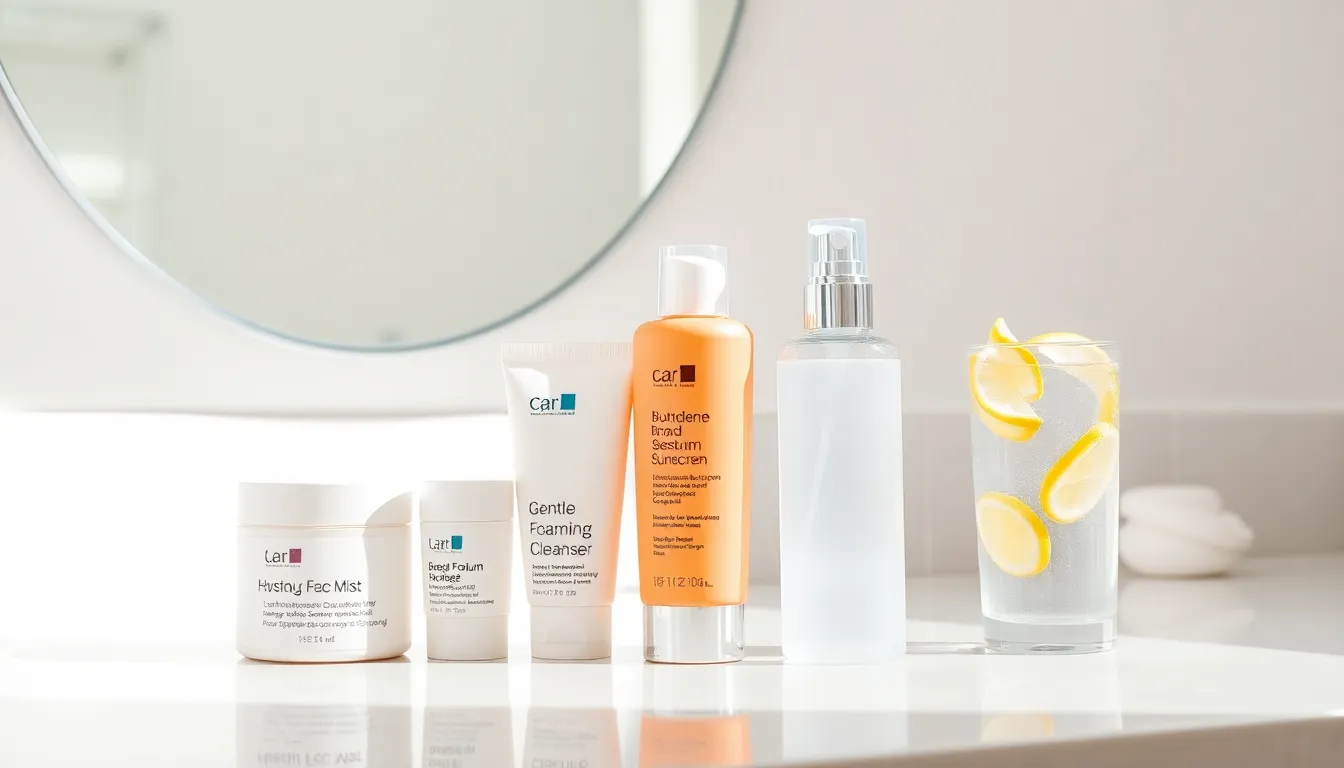
A consistent skin care routine is essential. Use gentle cleansers to avoid irritating the skin. It’s important to be careful with exfoliation because overly aggressive scrubs can worsen cystic acne. Non-comedogenic products are ideal as they don’t clog pores.
When to Seek Professional Help
If cystic acne persists even though at-home treatments, it may be time to consult a dermatologist. Seeking professional help is crucial for severe cases. A specialist can provide tailored solutions and might consider advanced treatment options. Regular follow-ups can help track progress and modify treatments as needed.